A female giant tortoise, previously thought to be extinct for over a century, has been rediscovered on Fernandina Island in the Galapagos archipelago. Nicknamed Fernanda, this tortoise was originally found in 2019, with recent genetic testing confirming her lineage, scientifically designated as Chelonoidis phantasticus. The species was presumed extinct after the last known male was collected in 1906.
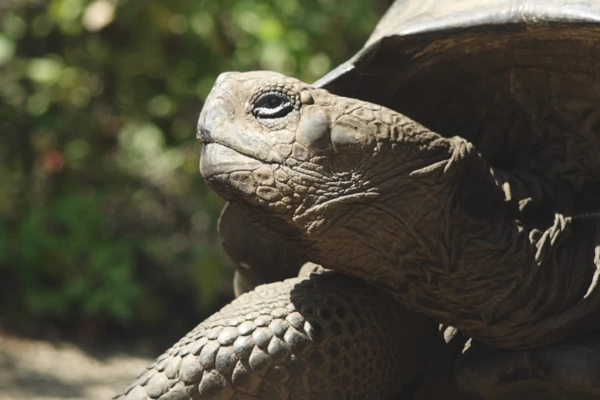
Fernanda was located in a challenging habitat characterized by dense vegetation and old lava flows, complicating access for researchers. Comprehensive genetic analysis of her genome revealed a unique genetic branch, distinct from other existing Galapagos tortoises. The comparison included a historical specimen from the early 1900s.
What Changed
The validation of Fernanda's identity has substantial implications for ongoing conservation efforts. Her existence implies the possibility that other undiscovered members of her species might still inhabit the region. Field researchers have noted signs such as tracks and feces, suggesting the presence of additional tortoises on Fernandina Island.
Dr. Evelyn Jensen, a lead author of the study, remarked, “It is a truly exciting discovery that the species is not in fact extinct, but lives on.” This rediscovery enhances conservation initiatives aimed at protecting Fernanda and her potential relatives, despite ongoing challenges in surveying the rugged terrain where she resides.
What Happens Next
Fernanda is currently housed at the Giant Tortoise Breeding Center within the Galapagos National Park on Santa Cruz Island, where she receives continuous monitoring and veterinary care. Conservationists now face a critical question: how to best assist any additional tortoises that may be discovered. Strategies will likely be informed by genetic data from both Fernanda and the historic male specimen to maximize genetic diversity if a breeding program is pursued.
- Fernanda is the sole known living individual of her species.
- This discovery underscores the imperative for robust habitat protection to foster fragile ecosystems.
- Future expeditions are planned to explore difficult regions of Fernandina Island in search of more specimens.
The status of giant tortoises is precarious; historical estimates suggested over 250,000 once inhabited the Galapagos, with current numbers reduced to approximately 15,000. Fernanda’s rediscovery serves as a crucial reminder of the ongoing need for dedicated conservation efforts to protect these creatures and their habitats.